Commercial Moves in Queens Park
Planning a commercial relocation in Queens Park? Whether you are moving a small office, a retail unit, a studio workspace, or a larger business operation, the process needs to be organised, efficient, and carefully timed around your day-to-day work. Commercial Moves in Queens Park are rarely just about transporting desks and boxes. They often involve coordinating staff, protecting equipment, reducing downtime, managing access, and making sure the move fits the realities of local streets, parking, and building layouts.
Queens Park is a busy and varied part of north-west London, with a mix of high-street businesses, independent offices, professional practices, creative studios, cafés, service providers, and home-based companies moving into dedicated premises. That variety means no two commercial relocations are quite the same. A good move plan should reflect your building type, your operating hours, the nature of your equipment, and the fact that commercial customers often need the least disruption possible. If you are looking for a practical, local approach, commercial moves in Queens Park should be handled by a team that understands both business priorities and the local area.
From the first planning conversation through to unloading, placement, and final checks, the aim is to make the transition as smooth as possible. The best move is not necessarily the fastest one; it is the one that protects your assets, keeps your team informed, and gets your business operating again with minimal stress. Contact us today to discuss your move requirements and request a free quote.
Why local commercial relocation support matters

A move in Queens Park can be straightforward on paper, but in practice local conditions matter. Streets may be narrow, parking can be limited, and access may be affected by busy periods, residents’ parking rules, or loading restrictions. A local team used to working in and around Queens Park can plan around these practicalities from the outset rather than trying to solve them on the day. That makes a real difference for businesses that cannot afford delays.
Local knowledge is especially helpful when your premises are in a mixed-use building, near a busy road, or within a block where access is shared with residents or other businesses. In these cases, the move may need careful timing and good communication with building managers, neighbours, or staff. For commercial customers, this can be the difference between a calm move and a difficult one.
Another important reason to choose a local service is the ability to respond flexibly. Commercial relocations often change as they progress: office furniture may need reassembly, IT equipment may require extra care, and certain items may need to be moved in a particular sequence. A team with real local experience can adjust to those needs without losing sight of the bigger plan.
What types of businesses use commercial moving services?

Commercial relocation support is useful for a wide range of customers in Queens Park and the surrounding area. Some businesses are moving into bigger premises, while others are downsizing, reconfiguring their workspace, or relocating after a lease change. Others simply need help moving heavy or awkward items safely and efficiently.
Typical commercial customers include:
- Small and medium-sized offices
- Creative studios and design spaces
- Retail shops and boutique units
- Professional practices and consultancies
- Cafés, salons, and service-based businesses
- Home businesses moving into commercial premises
- Shared workspaces and branch offices
- Medical, wellness, and specialist treatment rooms
Some businesses also need a partial move rather than a full relocation. For example, you might be upgrading furniture, transferring archive storage, relocating part of a department, or moving only selected equipment to a new site. Whatever the scale, commercial moves in Queens Park can be tailored so you only pay for the support you actually need.
What is typically included in a commercial move?

Every move is different, but a well-organised commercial moving service usually includes planning, careful handling, transport, and practical support at both properties. The goal is to reduce the burden on your staff and keep the relocation as orderly as possible. Businesses often prefer a service that feels coordinated rather than a set of separate jobs happening with no clear structure.
Depending on your needs, the service may involve:
- Pre-move discussion and site review
- Planning around access, lifts, stairways, and parking
- Careful packing or supply of packing materials
- Labelling of boxes, files, and equipment
- Disassembly and reassembly of office furniture
- Protection for floors, doorways, and fragile items
- Secure transport between locations
- Placement of items in the correct rooms or zones
- Clear unloading to support a quick restart
Some businesses also ask for out-of-hours or weekend moving support so they can reduce disruption to clients and staff. If your business keeps regular opening hours or deals with customers throughout the day, this can be especially helpful. Ask early about what can be arranged so the move fits your schedule rather than forcing the schedule to fit the move.
How the moving process usually works
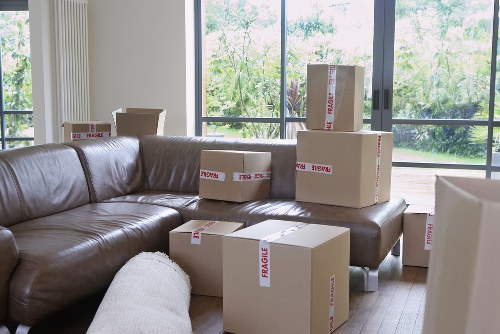
A well-managed commercial move should feel structured from the beginning. It helps to break the process into clear stages so nothing is left to chance. This is particularly useful for businesses with multiple rooms, several staff members, specialist equipment, or sensitive documents.
1. Initial planning
At the start, the move is discussed in detail so the key requirements are clear. This may include the size of the premises, the number of items, access limitations, timing preferences, and any sensitive or high-value equipment. The more accurate the planning, the smoother the move is likely to be.
2. Preparation and packing
Once the move is scheduled, packing and labelling can begin. Some businesses prefer to pack routine items themselves, while others want help with everything. Clear labelling matters because it speeds up unloading and helps your team get back to work faster.
3. Moving day execution
On the day, the team loads items in a sensible order, protects valuable equipment, and moves everything with care. Good coordination is important here, especially if access is tight or the building has restrictions on where vehicles can stop.
4. Unloading and setup
At the new premises, items are unloaded into the appropriate rooms or work areas. Office furniture may be reassembled, and essential items can be placed first so your business can begin operating again as soon as possible.
5. Final checks
A proper handover should include a final check to make sure key items are where they should be and nothing has been overlooked. For business owners, that reassurance is valuable because it allows you to focus on reopening rather than worrying about missing details.
Local property types and access challenges in Queens Park

Queens Park has a distinctive mix of property types, and this affects how commercial moves are organised. You may be moving from a shopfront with direct street access, an upstairs office above another business, a converted terrace, a mixed-use building, or a workspace on a busier road where loading space is tight. Each type of property presents different practical issues.
Access and parking can be especially important. Some buildings have limited loading areas, shared entrances, narrow corridors, or stair access rather than a lift. Others may be affected by residential parking controls or busy periods when vehicles need to be positioned carefully to avoid blocking neighbours or customers. These details may seem small, but they can have a major effect on the move if they are not planned in advance.
For that reason, a local commercial moving team should always consider the location itself, not just the contents being moved. Queens Park customers often appreciate a service that takes local realities seriously. If your building is near Queens Park station, around Salusbury Road, or in one of the nearby residential-commercial areas, planning the vehicle access and unloading sequence in advance can save time and reduce stress.
Reasons businesses choose commercial moves in Queens Park
Businesses do not move lightly. A relocation usually has a clear purpose, whether that is growth, better visibility, more suitable facilities, or a more efficient layout. Whatever the reason, the move needs to support the business rather than interrupt it. That is why many local customers look for a service that is practical, careful, and responsive.
Common reasons for arranging commercial moves in Queens Park include expanding into a larger unit, reducing costs by moving to a better-suited property, upgrading to a more professional space, improving access for staff or customers, or consolidating several work areas into one location. In some cases, a business moves because the lease changes or because the current premises no longer match the company’s needs.
Some customers are also looking for help after refurbishments, office reconfiguration, or a change in working patterns. Hybrid teams, flexible workspaces, and shared offices all place different demands on a move. A good relocation service can support those changing requirements and help your business settle into its new environment with less disruption.
Benefits of using a local commercial moving team
A local company brings practical advantages that are particularly useful in a place like Queens Park. Local teams are often quicker to understand the layout of the area, the timing issues, and the common access concerns that affect business premises. That means planning can be more realistic from the beginning.
Benefits often include:
- Better awareness of local roads, parking, and access rules
- More flexible scheduling options
- Reduced disruption to staff and customers
- Improved coordination for tight or shared premises
- Knowledge of common building layouts and loading constraints
- A more personal, responsive service
Choosing a local team is not just about convenience. It is also about reducing avoidable problems on moving day and giving your business a smoother transition.
What to prepare before your move
Good preparation helps any commercial move run more efficiently. If your team can complete a few tasks before moving day, it can make unloading, setup, and reopening much faster. Preparation does not need to be complicated, but it should be organised.
Preparation checklist
- Confirm the moving date and timing
- Identify which items are moving and which are staying behind
- Label boxes, files, and equipment by department or room
- Back up important digital files before moving IT equipment
- Notify staff of responsibilities and access arrangements
- Reserve lift access or loading areas if required
- Protect confidential paperwork and sensitive materials
- Remove personal items from desks and cabinets
- Disconnect equipment only when it is safe and appropriate to do so
It is also sensible to nominate one or two people within your business to coordinate with the moving team on the day. This avoids confusion and makes decisions easier if anything needs to be adjusted at short notice.
How pricing is usually affected
Commercial move pricing depends on a range of factors, and it is best to discuss the specific details of your move rather than assume one size fits all. Businesses usually want clarity, but they also want the flexibility to adapt the service to their needs.
Common pricing factors include:
- Size of the move and number of items
- Distance between the old and new premises
- Time needed for packing, loading, transport, and unloading
- Whether furniture needs dismantling and reassembly
- Access conditions at both properties
- Any specialist handling requirements
- Whether the move is outside standard hours
- Need for packing materials or extra labour
For many businesses, the most cost-effective option is not the cheapest quote but the one that reduces downtime and avoids delays. A well-run move can save money indirectly by helping staff get back to productive work sooner. If you need a tailored estimate, request a free quote and be as specific as possible about your premises, timing, and equipment.
Office moves, retail moves, and specialist business relocations
Different commercial environments call for different handling. An office relocation may focus on desks, chairs, monitors, filing systems, and IT equipment. A retail move may involve stock, display units, POS equipment, shelving, and shop fittings. A studio or workshop move may include heavier or more delicate equipment that needs careful loading and placement.
Specialist moves often require a more considered approach. For example, businesses with servers, archive records, branded display items, or technical equipment may need extra protection and a careful unloading sequence. In these cases, it is helpful to speak openly about what needs extra attention so the moving plan can reflect the real risks.
Commercial customers in Queens Park often appreciate a service that adapts to the type of premises involved. A good move should not feel generic. It should reflect the way your business works, the items you rely on every day, and the speed at which you need to reopen.
Areas covered around Queens Park
Commercial customers in and around Queens Park often need support across neighbouring districts as well as within the area itself. Depending on your move, the service may also cover nearby locations where many local businesses operate and trade.
- Queens Park
- Kilburn
- Maida Vale
- Brondesbury
- Queen’s Park Estate area
- West Hampstead
- Willesden
- Kensal Rise
- Kensal Green
- Paddington-side and nearby north-west London business zones
This local reach is useful if your business is relocating between nearby districts, or if you are moving from a storage facility, satellite office, or temporary workspace into permanent premises. The shorter and more predictable the route, the easier it is to manage timing on the day.
Frequently asked questions
Can commercial moves be arranged outside normal business hours?
In many cases, yes. Businesses often prefer early morning, evening, or weekend moves to limit disruption. The best option depends on the premises, access rules, and the scale of the relocation.
Do I need to pack everything myself?
Not necessarily. Some customers pack selected items themselves, while others want support with packing as well as transport. The right choice depends on your time, the sensitivity of the items, and how much hands-on support you want.
Can office furniture be taken apart and rebuilt?
Many commercial moves include disassembly and reassembly of standard office furniture. If you have modular desks, storage units, or meeting tables, this can make transport easier and reduce the chance of damage.
What if my building has poor access or no nearby parking?
That is common in parts of Queens Park and nearby streets. A local team can plan around loading restrictions, narrow access points, and parking limitations by choosing the right vehicle positioning and move sequence.
Is it possible to move only part of my business?
Yes. Partial business moves are very common. You might only need selected rooms, stock, filing systems, or equipment moved between premises. The service can be tailored to that smaller job.
How far in advance should I book?
It is sensible to book as early as possible, especially if your move needs a specific time slot, out-of-hours working, or coordination with building management. Early booking also gives more time for planning and preparation.
What makes a move smoother on the day?
Several small decisions can make a big difference. Clear labelling, a nominated point of contact, confirmed access arrangements, and a sensible packing order all help the move run more efficiently. It is also useful to keep essentials separate so your team can find them immediately at the new location.
Helpful day-of tips:
- Keep essential documents and devices in a clearly marked priority box
- Make sure staff know where to meet and who is coordinating the move
- Leave walkways clear at both properties
- Protect fragile items and confidential materials separately
- Check lifts, loading areas, and entry codes in advance
If your move is large or time-sensitive, it can also help to stage the relocation in phases. For example, you may move non-essential items first and the core workstations later, or move one department at a time. That approach is often useful for businesses that need to stay partially operational.
Why businesses value a straightforward, practical service
When a business is moving, clarity matters. Customers want to know what will happen, when it will happen, and how the move will affect their work. They do not want unnecessary complexity or vague promises. A straightforward service is valuable because it keeps the process manageable and gives you confidence at each stage.
That is especially true in commercial settings where downtime has a cost. Whether you run a small office, a busy retail operation, or a service business with regular appointments, your move should be planned around your customers and your operating requirements. A practical relocation approach can help protect both your time and your reputation.
Book your service now if you are ready to move your business in Queens Park or nearby and want a move plan built around real-world conditions rather than guesswork.
Ready to arrange your commercial move?
If you are planning a business relocation, it helps to speak with a team that understands the local area and the demands of commercial work. Commercial Moves in Queens Park require careful scheduling, secure handling, and a thoughtful approach to access, parking, and business continuity. Whether you are moving a small office, a retail space, or a larger commercial unit, the right support can make the process far more manageable.
Take the time to describe your premises, the type of equipment involved, the timing you need, and any access concerns. That will help shape a service that suits your business properly. Contact us today to discuss your requirements, ask questions, and request a free quote for your Queens Park move.
Moving your business should feel organised, not overwhelming. With the right local help, you can plan ahead, reduce disruption, and get your team set up in the new space with confidence.